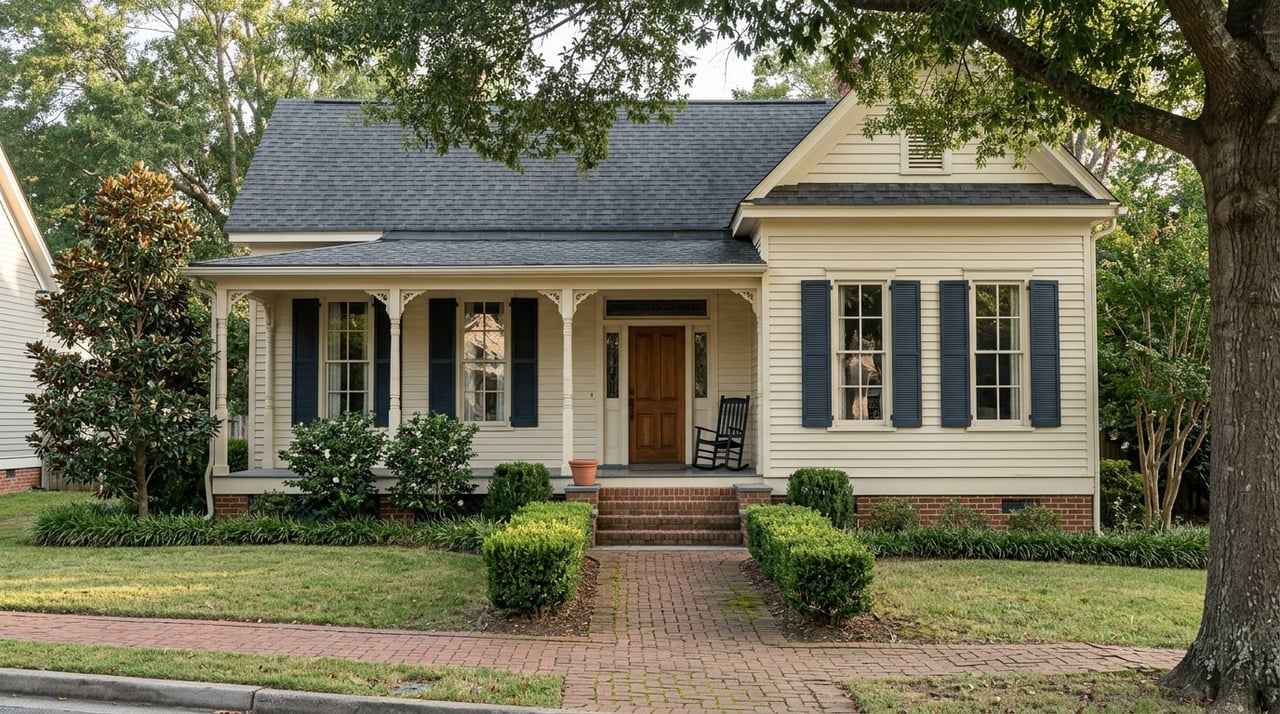
If you have ever dreamed of living somewhere with real architectural character, Hampton-Pinckney deserves a close look. This historic district offers a rare mix of period charm, quiet residential streets, and easy access to the energy of Downtown Greenville. If you are considering a home here, it helps to understand both the beauty and the responsibilities that come with historic ownership. Let’s dive in.
Why Hampton-Pinckney Stands Out
Hampton-Pinckney is one of Greenville’s oldest surviving residential neighborhoods. The National Register district includes 70 structures dating from about 1890 to about 1930, along with the McBee House from around 1835.
The area is widely recognized for its architectural legacy. South Carolina’s historic preservation records describe it as Greenville’s finest remaining area of Victorian architecture, which gives the neighborhood a distinct sense of place that is difficult to replicate in newer communities.
Its roots also run deep in Greenville’s history. The area traces back to Vardry McBee’s 1815 purchase of 11,028 acres, and later became part of a neighborhood preservation story that still shapes its identity today.
A Historic District With Staying Power
Part of Hampton-Pinckney’s appeal is that it was not preserved by accident. After postwar decline, residents organized rehabilitation efforts in the 1970s, helping protect the neighborhood’s architectural fabric and long-term character.
That work led to National Register recognition in 1977. For today’s buyers, that history matters because it reflects a neighborhood where preservation has long been part of the conversation.
The district is generally centered on Hampton Avenue and Pinckney Street, with local reporting placing boundaries along Pinckney and Lloyd, and Butler and Asbury. When you walk through the area, you can still see the layers of development that came together from the 1890s through the early 20th century.
Architecture You Can Actually Feel
One of the most compelling parts of Hampton-Pinckney living is the variety of homes. Documented architectural styles include Italianate, Greek Revival, Queen Anne, Gothic Revival, Colonial Revival, Prairie, Craftsman, bungalows, and vernacular forms.
In practical terms, that means the neighborhood does not feel repetitive. Instead, you will notice changing rooflines, porches, trim details, window patterns, and materials from one home to the next.
Local coverage often connects Hampton-Pinckney most strongly with Queen Anne and Craftsman homes. If you are drawn to decorative millwork, inviting front porches, and houses with personality, this district offers a more layered experience than many newer in-town options.
The Lifestyle Appeal of In-Town Living
Hampton-Pinckney offers a primarily residential setting with tree-lined streets and a quieter atmosphere than the center of downtown. That balance is a big reason buyers are drawn here.
You can enjoy a calmer neighborhood feel while staying close to many of Greenville’s favorite destinations. Local reporting notes that homes here are within a short walk of Unity Park, Hampton Station, The Commons, the Swamp Rabbit Trail area, the Peace Center, the Upcountry History Museum, the Children’s Museum, and Main Street.
For many buyers, that combination is the sweet spot. You get historic character and neighborhood texture without giving up convenience, culture, or access to Greenville’s urban core.
What To Expect From Historic Home Ownership
Living in a historic home can be deeply rewarding, but it usually asks more of you than a newer property. The right mindset is not just buying a home. It is becoming a steward of a property with age, detail, and ongoing maintenance needs.
That does not mean you should be intimidated. It means you should go in with clear expectations, a realistic budget, and the right professionals around you.
In Hampton-Pinckney, much of the housing stock dates from 1890 to 1930. With homes of that age, condition and upkeep matter just as much as layout and location.
Moisture Should Be A Top Priority
One of the biggest issues in older and historic homes is moisture. The National Park Service identifies uncontrolled moisture as the most common cause of deterioration in older and historic buildings.
That is why a thoughtful inspection should pay close attention to signs of water intrusion or poor drainage. Roof condition, exterior walls, foundations, openings, and areas where water may be entering or lingering all deserve careful review.
If the source of a moisture issue is not obvious, preservation professionals can help diagnose it. Catching moisture early is often the difference between manageable maintenance and a much more expensive repair later.
Repair Often Matters More Than Replacement
With historic homes, the best approach is often to repair original materials rather than replace them wholesale. Preservation standards emphasize maintaining historic materials and features whenever possible.
That can apply to wood windows, exterior trim, siding, porches, and other architectural elements that give a home its identity. Original details are often part of what makes these homes so appealing in the first place.
When you tour a property, it helps to look beyond surface updates. Ask whether older elements have been maintained thoughtfully, because craftsmanship and preservation quality can have a real impact on long-term value and enjoyment.
Energy Efficiency May Need A Plan
Many older homes have less insulation than houses built today. That does not mean they cannot be improved, but upgrades should be approached carefully.
The U.S. Department of Energy recommends a whole-house energy assessment before adding insulation or making major efficiency changes. This helps you understand where air sealing and insulation improvements may actually make the most difference.
For a buyer, the takeaway is simple. Do not assume comfort or efficiency based on appearance alone. A charming historic house may benefit from targeted updates to perform better year-round.
Lead-Safe Work Is Important
Because much of Hampton-Pinckney’s housing stock predates 1978, lead-paint precautions may be relevant. Older homes are more likely to contain lead-based paint, and renovation that disturbs painted surfaces can create hazardous lead dust.
If you plan to repaint, renovate, or restore original features, lead-safe practices matter. Hiring certified professionals for work that disturbs old paint is an important step in protecting both the home and the people living in it.
Modern Upgrades Can Still Fit
Historic ownership does not mean you have to give up modern comfort. Mechanical, electrical, and plumbing upgrades can be part of a preservation-minded project.
The key is that updates should be limited and sensitive to the home’s existing form, materials, and features. In other words, you can improve function while still respecting what makes the house special.
What Buyers Should Review Before Making An Offer
If Hampton-Pinckney is on your shortlist, it helps to approach due diligence with a historic-home lens. A standard showing may reveal beauty, but a deeper review helps you understand the true condition of the property.
Here are a few smart priorities:
- Look closely at roof condition, drainage, gutters, and signs of moisture.
- Evaluate exterior walls, foundations, windows, and porch elements.
- Ask about past renovations and whether original features were repaired or replaced.
- Consider a preservation-aware inspector who understands older construction.
- Plan for ongoing maintenance rather than assuming a one-time improvement budget.
- If paint will be disturbed, use contractors who follow lead-safe work practices.
- If comfort or utility costs are a concern, consider an energy assessment.
For many buyers, this level of planning is worth it. A well-cared-for historic home can offer a living experience that feels far more distinctive than a newer property with similar square footage.
Exterior Changes May Need City Review
If you buy in Hampton-Pinckney and plan exterior work, city review may be part of the process. Greenville requires a Certificate of Appropriateness for exterior alterations in a designated historic district.
That review is handled through the Historic Review Board. The city also lists a hardship exemption when proposed work cannot meet the applicable design guidelines.
This is especially important to know before starting visible projects. Exterior changes that seem straightforward on another property may require approval here, so planning early can save time and frustration.
Tax Incentives May Help Offset Costs
Historic ownership can come with opportunities as well as responsibilities. In South Carolina, owner-occupied historic residences may qualify for a 25% state historic rehabilitation tax credit.
There is an important timing rule, though. Applications must be submitted before work begins.
State law also allows county and municipal governments to offer special property-tax assessments for rehabilitated historic property. Greenville’s permit portal includes a Historic Properties Special Tax Assessment application, which may be worth exploring if you are planning a qualified rehabilitation project.
Is Hampton-Pinckney Right For You?
Hampton-Pinckney tends to appeal to buyers who want more than just a place to live. It is a fit for people who value architecture, walkability, and the feeling of being connected to Greenville’s story.
It can also be a strong match if you appreciate design and are comfortable with the idea that an older home needs ongoing attention. The tradeoff is that you get texture, craftsmanship, and setting that are increasingly hard to find.
If you are looking for a distinctive in-town property with historic presence and downtown access, Hampton-Pinckney offers a lifestyle that feels both rooted and current. And when you approach the process with good guidance, it becomes much easier to separate a beautiful home from the right home.
If you are exploring Hampton-Pinckney or other distinctive Greenville neighborhoods, Thomas Tamrack offers thoughtful, design-aware guidance grounded in local market knowledge and a deep appreciation for place.
FAQs
What makes Hampton-Pinckney Historic District special in Greenville?
- Hampton-Pinckney is one of Greenville’s oldest surviving residential neighborhoods, known for its Victorian-era character, varied historic architecture, and close proximity to downtown destinations.
What architectural styles are found in Hampton-Pinckney homes?
- Homes in Hampton-Pinckney include Italianate, Greek Revival, Queen Anne, Gothic Revival, Colonial Revival, Prairie, Craftsman, bungalow, and vernacular styles.
What should a home inspection focus on in Hampton-Pinckney?
- A first inspection should prioritize moisture issues, roof and exterior condition, foundations, windows, insulation concerns, and potential lead-safe renovation considerations.
What exterior work needs approval in Hampton-Pinckney Historic District?
- Exterior alterations in Greenville’s designated historic districts generally require a Certificate of Appropriateness through the city’s Historic Review Board.
Are there tax incentives for restoring a historic home in Greenville, SC?
- Potentially yes. Owner-occupied historic residences may qualify for a 25% South Carolina historic rehabilitation tax credit, and local special property-tax assessment tools may also be available for qualified projects.