Wondering whether an older home in Greenville’s North Main area is a smart buy? It can be, especially if you love character, mature streetscapes, and the feeling that a home has a story to tell. The key is knowing how to separate timeless charm from costly surprises, and that is exactly what this guide will help you do. Let’s dive in.
Why North Main attracts buyers
North Main sits within Greenville’s broader in-town older-neighborhood landscape, where preservation, community identity, and long-established homes all play a role in the buying experience. The North Main community association describes its mission around beauty, safety, stability, cleanliness, and economic viability, which helps explain why the area continues to draw attention from buyers who value both place and continuity.
If you are shopping here, you are likely drawn to more than square footage. Older in-town Greenville neighborhoods often feature period architecture, tree-lined streets, traditional setbacks, and a mix of frame and brick construction. In nearby historic districts, that housing stock includes Victorian, Queen Anne, Colonial Revival, Craftsman, Bungalow, and vernacular styles, which gives you a useful sense of what older North Main homes may offer.
What older homes often include
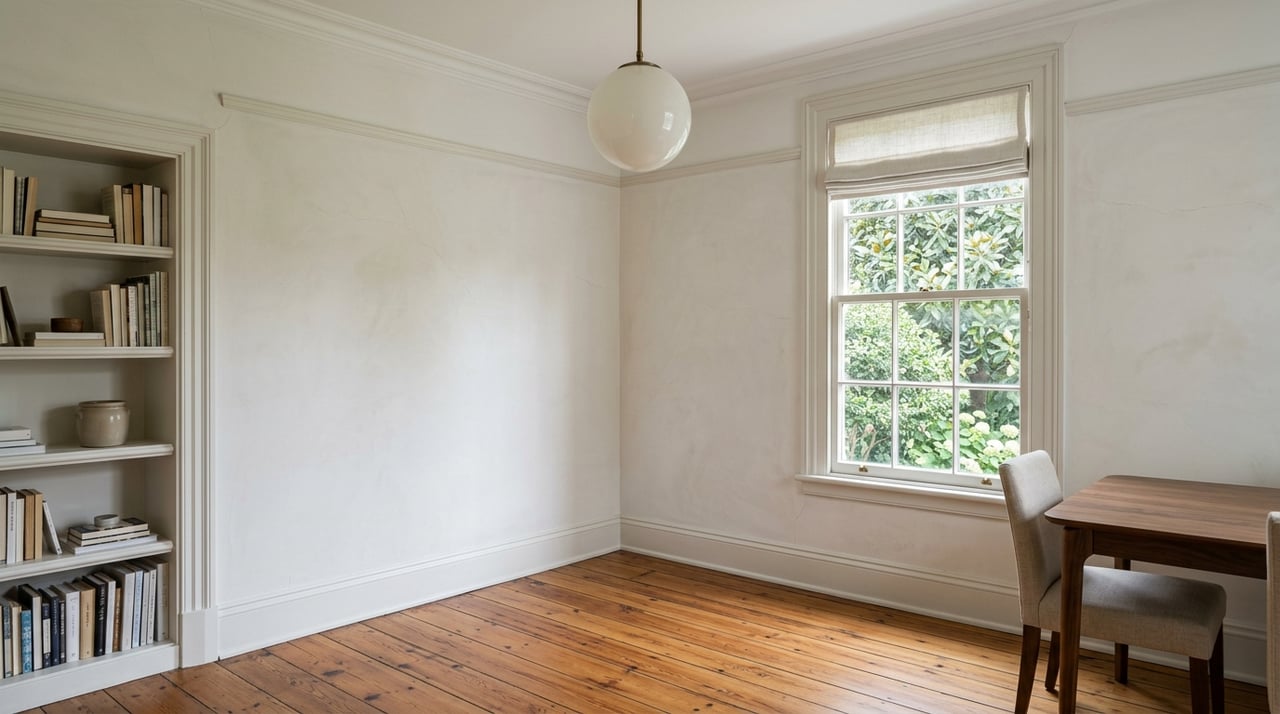
One of the biggest appeals of an older home is character. You may find original millwork, fireplaces, solid materials, and additions or updates that reflect decades of ownership. At the same time, homes of this age often come with a patchwork of improvements, repairs, and system upgrades that need careful review.
That means your buying decision should go beyond finishes and curb appeal. A beautiful facade does not tell you the full story of the roof, foundation, wiring, plumbing, heating and cooling, or prior moisture and pest issues. In North Main, a thoughtful review matters just as much as emotional connection.
Start with historic district questions
Before you plan any exterior changes, confirm whether the property is in a designated historic district or is otherwise a designated historic property. In Greenville, exterior alterations to a building in a designated historic district require a Certificate of Appropriateness. Greenville County also states that its Historic Preservation Commission reviews construction and demolition within historic districts and designated historic properties.
This step matters more than many buyers realize. If you are imagining new windows, a major porch change, an addition, or exterior material updates, review status can affect your timeline, design choices, and approval process. It is always better to know that before you close, not after.
Use the South Carolina disclosure as a roadmap
In South Carolina, most residential sellers are required to provide a written disclosure statement before the contract is signed. Just as important, state law also says you still have an obligation to inspect the home’s physical condition yourself. In other words, the disclosure is helpful, but it is not a substitute for due diligence.
For an older North Main home, this disclosure is one of the best practical checklists you can use. It covers items such as the roof, chimneys, floors, foundation, plumbing, electrical, heating and cooling systems, wood-destroying insects, lead-based paint, asbestos, radon gas, methane gas, underground storage tanks, hazardous materials, and HOA governance.
Ask for that paperwork as early as possible. It can help you spot follow-up questions quickly and decide where you may need more specialized inspections.
Make the inspection period count
An independent home inspection should be one of your first major steps after going under contract. HUD advises buyers to choose an honest and thorough inspector, ask for the inspector’s standards of practice or a sample report, and remember that an appraisal is not the same as a home inspection.
This is especially important with older homes, where visible charm can sit alongside aging systems. A solid inspection can help you identify current issues, signs of deferred maintenance, and components that may be nearing the end of their useful life. It also gives you a clearer picture of what you are truly buying.
If issues come up, you may have room to negotiate repairs or credits. CFPB notes that if repairs are needed, buyers may be able to negotiate, and if the contract is contingent on a satisfactory inspection, a buyer may be able to cancel without penalty.
Pay close attention to lead and asbestos
If the home was built before 1978, lead-based paint should be on your radar. EPA says buyers of most pre-1978 housing have the right to know whether lead-based paint hazards are present before signing a contract, and sellers must give buyers a 10-day period to conduct a paint inspection or risk assessment.
The age of the home can make this especially relevant. EPA says 87% of homes built before 1940 and 24% of homes built between 1960 and 1978 have some lead-based paint. If you are buying an older North Main property, it is often wise to either assume lead may be present or have the home evaluated by a certified inspector or risk assessor.
Asbestos deserves the same level of care. EPA states that you generally cannot tell whether a material contains asbestos just by looking at it, and damaged or disturbed materials should be evaluated by trained and accredited professionals. If you are planning renovations, this matters even more because work can disturb materials that were otherwise stable.
Understand pest reports and their limits
Wood-destroying insect concerns can be a real part of buying an older home in South Carolina. The seller disclosure asks about present infestation and unrepaired past infestation, which can give you a useful starting point. Still, you should understand what a pest report can and cannot tell you.
The official South Carolina Wood Infestation Report is limited to visible and accessible areas. That makes it a helpful screening tool, but not a guarantee that hidden damage does not exist. For an older home with crawl spaces, additions, or hard-to-access areas, that distinction is important.
Budget beyond the purchase price
One of the most common mistakes buyers make is underestimating the true cost of ownership. CFPB recommends budgeting for the total monthly home payment, not just principal and interest. That total can include property taxes, mortgage insurance, homeowner’s insurance, flood insurance where applicable, and HOA fees.
You should also leave room for maintenance, repairs, and utilities. With an older home, these costs can be less predictable than they are in newer construction, especially if systems are aging or updates were done in phases over time. A smart budget gives you flexibility without taking away the joy of the purchase.
CFPB also notes that closing costs typically run about 2% to 5% of the purchase price. On top of that, keeping an emergency cushion of roughly 3 to 6 months of expenses can help you handle surprises with more confidence.
Separate charm costs from systems costs
This may be the most useful mindset when buying in North Main. Cosmetic projects, design choices, and personalization are one category. Major system work, structural repairs, and health-related remediation are another.
When buyers blur those categories, budgets can get off track fast. The better approach is to use seller disclosures, a strong independent inspection, and specialty inspections where needed to understand which costs are about lifestyle and which costs are about condition. That clarity helps you make better decisions during negotiations and after closing.
Ask about tax incentive potential
Some older historic properties may qualify for local tax incentives if rehabilitation work meets the rules. The South Carolina Department of Archives and History explains that local governments can offer Bailey Bill special property tax assessments for rehabilitated historic property. Greenville County also notes that the process can require preliminary certification, approved rehabilitation plans, and final certification before the special assessment is granted.
This will not apply to every property, and eligibility depends on the specific home and project. Still, if you are considering a meaningful rehabilitation of a qualifying historic property, it is worth asking about early so you understand the requirements before making plans.
A smart North Main buying approach
Buying an older home in North Main can be deeply rewarding if you approach it with clear eyes. The area’s appeal often lies in architecture, setting, and a strong sense of place, but those benefits deserve a buying strategy that respects the realities of an aging home.
Your best path is simple: confirm historic status, get disclosures early, schedule an independent inspection, add specialty testing when age or condition calls for it, and build a budget with breathing room. If you do that, you will be in a much stronger position to enjoy the beauty of the home without being caught off guard by what is behind the walls.
If you are considering a distinctive home in North Main or anywhere in Greenville’s in-town market, Thomas Tamrack offers experienced, thoughtful guidance shaped by decades of local and luxury real estate experience.
FAQs
What should you check first when buying an older home in North Main?
- Start by confirming the property’s historic status, reviewing the South Carolina seller disclosure, and scheduling an independent home inspection as soon as possible.
What inspections matter most for an older Greenville home?
- Begin with a general independent home inspection, then consider lead, asbestos, or pest-related evaluation when the home’s age, condition, or renovation plans make those issues relevant.
What does South Carolina require sellers to disclose?
- The state disclosure form covers key items such as the roof, foundation, plumbing, electrical, heating and cooling, wood-destroying insects, lead-based paint, asbestos, radon gas, hazardous materials, and HOA governance.
Can you freely renovate the exterior of a North Main home?
- Not always. You should first confirm whether the parcel is in a designated historic district or is otherwise a designated historic property, since exterior work may require review and approval.
How should you budget for an older home in Greenville?
- Budget for the full monthly cost of ownership, plus closing costs, maintenance, repairs, utilities, and an emergency cushion so you are better prepared for deferred maintenance or surprise repairs.